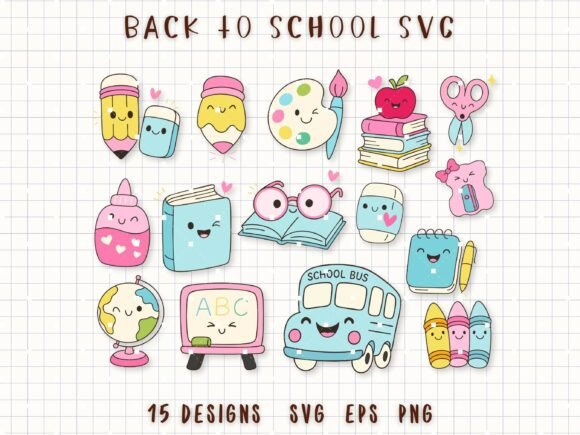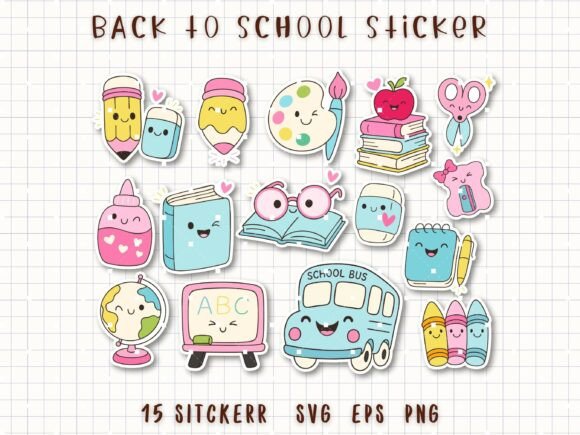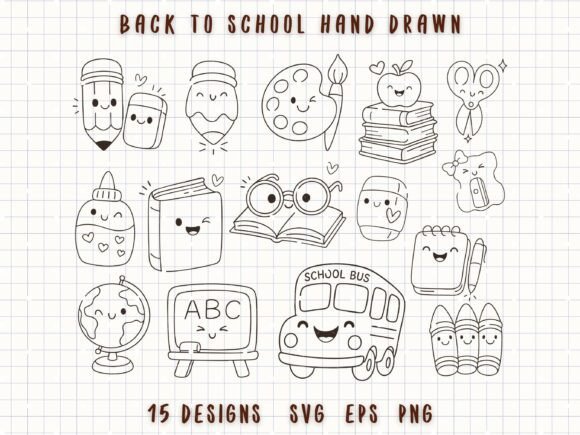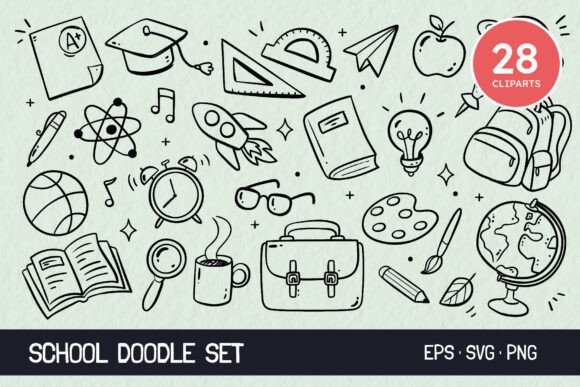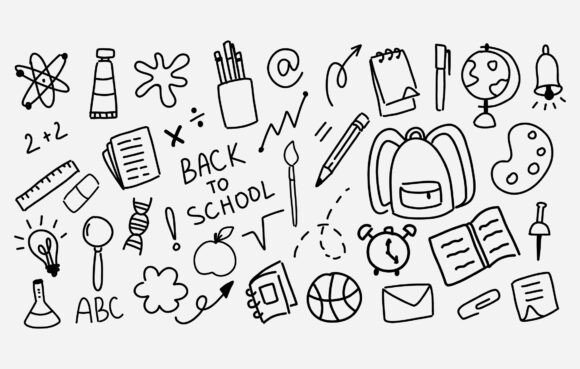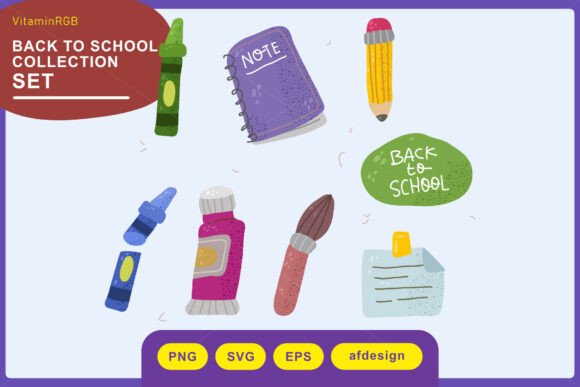
Back to School Collection Set
A Designer’s First Stitch: What This Set *Really* Brings to the Hoop
When I unzipped the Back to School Collection Set, I didn’t see clipart—I saw potential real estate on a canvas of cotton, denim, and twill. As someone who’s stitched hundreds of custom tote bags for local teachers’ lounges and embroidered baby onesies for back-to-school baby showers, my first question is never “Is it cute?” It’s “Will it hold up—visually and structurally—when translated into thread?” This set lands with warmth and quiet confidence: soft-edged notebooks, expressive paintbrushes with visible bristle texture, pencils with subtle graphite shading. It’s not loud or cartoonish—it leans into gentle illustration, making it unusually versatile for both children’s items and adult-oriented boutique goods.
Where It Shines: Real Projects, Real Customers
I recently used one motif from the Back to School Collection Set on a linen tea towel for a small educational supply shop’s summer launch. The result? Instant recognition without shouting. Parents paused at the counter—not because it was flashy, but because it felt *knowing*. That same sensibility works beautifully on sweatshirt embroidery (especially raglan sleeves), where the balanced proportions avoid visual crowding, and on embroidered patches meant for backpacks or classroom aprons. For Etsy sellers, this set bridges two high-demand niches: personalized teacher gifts and handmade nursery decor. A single pencil motif, resized and stitched on a cotton muslin pillow cover? Elegant. A grouped layout across the front of a canvas tote bag? Cohesive and market-ready. Because it lives in the Illustrations category—not bold vector icons or ultra-minimal line art—it carries narrative weight. That matters when your customer is buying a handmade product as a meaningful gesture, not just decoration.
What Happens When You Actually Stitch It
Here’s what I observed stitching three variations: on midweight cotton (for a tote), on lightweight brushed cotton (for a baby onesie), and on fleece-backed sweatshirt fabric. On stable, medium-weight fabric with tear-away stabilizer, the Back to School Collection Set resolved cleanly—even the fine lines of pencil erasers and notebook spiral bindings held definition. On the baby onesie? I swapped to cut-away stabilizer and reduced stitch density slightly in the fill-stitch areas (like the notebook covers) to prevent stiffness. The satin-stitch outlines stayed crisp. On fleece? I added a light iron-on topping—and the pencils retained their shape without sinking. That adaptability tells me this isn’t just a Graphics file dropped into a folder; it’s built with embroidery logic in mind—thoughtful spacing, intentional negative space, and no micro-details that vanish under thread.
Where to Pause—and Test Twice
This set isn’t magic. It asks for thoughtful execution. Avoid cramming the full scene onto a 3” hoop—it’s designed for breathing room. If you’re planning caps or curved surfaces like baseball hats, isolate one element (a single open notebook or paint palette) rather than forcing the whole composition. On dark fabric, test your thread colors early: light yellows and pale pinks can mute quickly without contrast checks. On thin or stretchy fabrics (think jersey tees), reinforce with proper stabilizer—running stitches outlining the pencils need anchor, not float. And if you’re using it for holiday embroidery (like teacher appreciation in December), remember: while the theme is seasonal, its timeless illustration style lets it cross over gracefully—no forced “back to school” labeling needed.
Design Decisions That Build Trust
Customers don’t buy stitches—they buy intention. The Back to School Collection Set supports that. Its consistent line weight, balanced negative space, and lack of overworked detail lend professionalism to even simple projects. A sweatshirt with one centered notebook motif feels considered, not generic. That elevates perceived value—critical for craft business owners pricing handmade products at premium points. For digital product sellers, offering this as a curated digital embroidery file with clean layering (e.g., base fill + outline + optional shadow) adds usability—and encourages repeat buyers. And yes, it boosts buyer engagement: I’ve watched customers linger longer on listings featuring this set in printable mockups—because it reads as *designed*, not assembled.
Your Practical Checklist Before the First Hoop
- Test on scrap fabric first—especially if using textured or dark fabric.
- Review stitch density in fill areas before scaling up for large tote bag designs.
- Confirm hoop size compatibility: the full scene fits best in 5x7” or larger; simplify for smaller hoops.
- Inspect small details like pencil graphite tips or paintbrush bristles—they’re charming but need clarity at scale.
- Try black-and-white mockups to assess contrast and silhouette strength.
- Use appropriate stabilizer: tear-away for stable cotton, cut-away for knits or baby wear.
- Check licensing before selling finished embroidered items or reselling the embroidery file—this affects Etsy sellers and small shop owners directly.
- Compare light/dark fabric backgrounds to guide thread color choices—especially for satin-stitch elements.
In short: the Back to School Collection Set earns its place not by being the flashiest option, but by being the most *reliably thoughtful*. It doesn’t shout “school!”—it invites curiosity, warmth, and care. Whether you’re stitching a personalized gift, building a cohesive boutique collection, or sourcing design assets for your next digital product launch, this set delivers quiet confidence—one well-placed stitch at a time.